Best Hair Loss Treatment | What Actually Works?
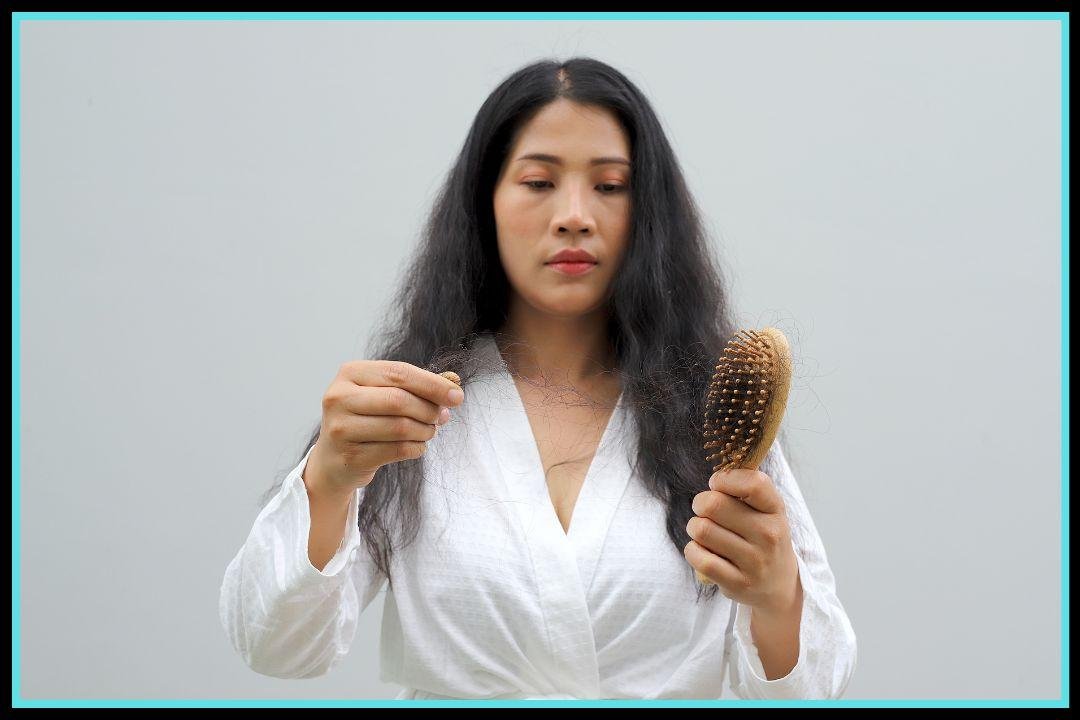
Hair loss can feel frustrating, whether you notice extra hair in the shower, a widening part, or a receding hairline. Studies estimate that about half of men experience noticeable hair loss by age 50, while millions of women also develop thinning hair due to genetics, hormonal changes, stress, or medical conditions. The good news is that there is no shortage of treatment options. The challenge is finding the best hair loss treatment for your specific situation.
This guide explains the science behind hair loss, reviews FDA-approved medications, explores advanced clinical procedures, and helps you understand which evidence-based options may be worth discussing with a healthcare professional.
Understanding Hair Loss: The Basics Before Choosing a Treatment
Before exploring solutions, you need to understand what you are fighting. Hair loss is a complex biological process. Setting a strong foundation will help you make informed decisions about your care.
What Is Hair Loss? (The Science of Shedding)
Normal daily shedding involves losing 50 to 100 hairs a day. However, excessive hair loss goes beyond this natural cycle.
To understand shedding, you must know the hair growth cycle. It consists of four phases:
- Anagen: The active growth phase lasting years.
- Catagen: A short transition phase where growth stops.
- Telogen: The resting phase where the hair sits in the follicle.
- Exogen: The shedding phase where the old hair falls out to make room for new growth.
When this cycle is disrupted, noticeable thinning occurs.
Common Types of Hair Loss
Identifying your specific type of hair loss is the first step toward finding relief.
- Androgenetic Alopecia: Also known as male or female pattern baldness, this is the most common genetic type.
- Telogen Effluvium: This is temporary shedding triggered by severe stress, illness, or lifestyle changes.
- Alopecia Areata: An autoimmune condition where the body attacks its own hair follicles, causing patchy loss.
- Traction and Scarring Alopecia: Caused by tight hairstyles or inflammatory conditions that permanently destroy follicles.
- Hormonal Hair Loss: Frequently seen postpartum or during menopause due to shifting estrogen levels.
Root Causes and Triggers
Hair loss rarely happens without a trigger. Understanding your root cause is essential for effective management.
- Genetics and DHT: A hormone called dihydrotestosterone (DHT) shrinks follicles in genetically predisposed individuals.
- Hormonal Fluctuations: Thyroid disorders, PCOS, and menopause heavily impact hair density.
- Nutritional Deficiencies and Stress: Lack of iron or chronic high cortisol can push hairs into the shedding phase.
- Medications and Illness: Certain prescriptions for blood pressure or depression, as well as chronic illnesses, can cause thinning.
Always consult your doctor to identify your specific triggers before starting any new regimen.
Signs It’s Time to Seek Treatment
Catching hair loss early dramatically improves your outcomes. Look out for these visual cues:
- A noticeably widening hair part.
- A receding hairline or temples.
- Distinct bald patches on the scalp.
- A thinning crown or reduced overall hair density.
- Excessive hair left in your brush or shower drain.
How Doctors Diagnose Hair Loss
While self-assessment is a good start, a professional evaluation is crucial.
A dermatologist or trichologist will review your medical history and perform a physical scalp exam. They may also order specific clinical tests, including:
- Blood tests to check thyroid and nutrient levels.
- The Hair Pull Test to measure active shedding.
- Scalp biopsies to rule out scarring or autoimmune conditions.
FDA-Approved & Medical Treatments (The Gold Standard)
Many people find success with medically backed options. These treatments have the strongest clinical evidence, though results vary by individual.
Minoxidil (Rogaine): The Growth Stimulator
Minoxidil is one of the most accessible FDA-approved hair loss treatments. It works by prolonging the anagen (growth) phase and improving blood flow to follicles.
- Topical forms: Available as 2% or 5% foam or liquid. Foam is often preferred for less irritation.
- Oral Minoxidil: Low-dose versions are gaining popularity under medical supervision for those who don’t tolerate topicals well.
It suits both men and women. Many users see initial results in 3–6 months, with fuller effects around 12 months. Possible side effects include scalp irritation, unwanted facial hair, or temporary increased shedding (often called “dread shed”). Consult your doctor about the right strength and form.
Finasteride (Propecia) & Dutasteride: The DHT Blockers
These medications target male pattern baldness treatment by reducing DHT levels.
- Finasteride (oral or topical) is FDA-approved for men and sometimes used off-label for women post-menopause.
- Dutasteride is a stronger option in some cases.
Studies suggest they can slow loss and promote regrowth in many users. Common discussions involve potential side effects like sexual function changes, though many experience none. Topical versions may reduce systemic risks. Women of childbearing age should avoid these due to pregnancy risks.
Spironolactone: The Go-To for Women
For female hair thinning treatment and cases linked to PCOS, spironolactone (an anti-androgen) is frequently prescribed. It helps block hormones that contribute to thinning. Regular monitoring is important.
Newer Topicals & Adjuncts
- Ketoconazole shampoo (such as Nizoral) can reduce scalp inflammation and complement other treatments.
- Caffeine-based solutions and peptide topicals show promise in supporting hair growth.
Medical Update: JAK Inhibitors
For severe alopecia areata, JAK inhibitors like ritlecitinib offer new hope as FDA-approved systemic options. These target the immune response but require specialist oversight due to their potency.
Comparison Table: Common Medications
| Treatment | Effectiveness | Typical Cost (Monthly) | Common Side Effects | Best For |
| Minoxidil | Moderate-High | $20–60 | Scalp irritation, initial shed | Men & Women |
| Finasteride | High | $10–80 | Possible sexual side effects | Primarily Men |
| Dutasteride | High | Varies | Similar to finasteride | Men (under supervision) |
| Spironolactone | Moderate | $10–50 | Dizziness, menstrual changes | Women |
Results vary. Always discuss options with your healthcare provider.
Advanced In-Office & Clinical Procedures
If medications are not enough, clinical procedures offer powerful alternatives. These hair restoration treatment options are performed in-office and can provide significant improvements in hair density and scalp health.
Non-Surgical Clinical Treatments
Modern dermatology offers several highly effective non-surgical options to stimulate your follicles:
- PRP for Hair Loss (Platelet-Rich Plasma): A doctor draws your blood, concentrates the platelets, and injects them into your scalp to stimulate growth. It requires initial monthly sessions followed by maintenance.
- PRF (Platelet-Rich Fibrin): An evolution of PRP, PRF creates a fibrin matrix that releases growth factors more slowly, potentially offering longer-lasting results with fewer sessions.
- Exosome Therapy & Stem Cells: In 2026, exosome therapy is emerging as a potent alternative. These stem cell-derived messengers deliver targeted growth signals directly to dormant follicles.
- Low-Level Laser Therapy (LLLT): Using FDA-cleared laser caps, combs, or in-office panels, LLLT uses red light to increase cellular energy and blood flow in the scalp.
- Microneedling for Hair Loss: Also known as derma rolling, this creates micro-injuries that trigger collagen production and drastically boost the absorption of topical treatments.
- Scalp Micropigmentation (SMP): This is a non-surgical medical tattoo that creates the illusion of hair density or a cleanly shaved head.
Hair Transplant Surgery (The Permanent Solution)
A hair transplant moves healthy, DHT-resistant hair follicles from the back of your head to thinning areas. It is the only truly permanent hair loss solution for advanced baldness.
- Who is a good candidate? You need sufficient donor hair density and stabilized hair loss.
- FUT vs. FUE vs. Modern Techniques: Follicular Unit Transplantation (FUT) removes a strip of skin, while Follicular Unit Extraction (FUE) extracts individual follicles. Modern techniques like robotic ARTAS and Direct Hair Implantation (DHI) offer unmatched precision.
- Choosing a Surgeon: Avoid red flags like “mega-sessions” in one day, unlicensed technicians performing the surgery, or prices that seem too good to be true.
- Recovery Timeline: Expect initial scabbing in Week 1, shock loss in Month 1, new growth starting at Months 3-6, and final results by Months 9-12.
Emerging Innovations on the Horizon
Science is moving fast. Researchers are currently conducting clinical trials for gene therapy to alter baldness genes and hair follicle cloning to multiply your existing donor supply.
Natural Remedies, Lifestyle & Prevention
Many people prefer a holistic approach. While natural hair loss remedies can support scalp health, it is vital to understand their realistic limitations compared to medical science.
Evidence-Based Natural Remedies
- Rosemary Oil: Studies suggest rosemary oil can be as effective as 2% minoxidil for certain types of thinning when used consistently. Always dilute it in a carrier oil.
- Pumpkin Seed Oil & Saw Palmetto: These natural DHT blockers may help support hormonal balance when taken orally or applied topically.
- Scalp Massage & Essential Oils: Daily massage increases blood flow, while peppermint or lavender oils can soothe scalp inflammation.
Nutrition & Supplements
Your hair needs building blocks to grow. Key nutrients include Iron, Vitamin D, Zinc, and adequate Protein.
While supplements like Biotin, marine collagen, and multivitamins are popular, they only regrow hair if you have an actual underlying deficiency. If your levels are normal, extra biotin will not stop shedding.
Diet & Lifestyle Interventions
Your daily habits heavily influence your hair. An anti-inflammatory diet rich in antioxidants supports follicle health. Furthermore, managing stress through meditation or exercise lowers cortisol, preventing stress-induced shedding.
Conversely, smoking restricts blood flow to the scalp, and rapid weight loss can trigger severe temporary shedding.
Scalp Care & Daily Habits
Protect your existing hair by avoiding excessive heat styling and harsh chemical treatments. Wash your scalp regularly to prevent buildup that can clog follicles, and intervene at the very first sign of thinning.
The Honest Assessment: Limitations of Natural Remedies
Nature is excellent for prevention and mild support. However, if you have aggressive genetic baldness, natural remedies alone will not stop DHT from destroying your follicles. Know when to rely on nature and when to call in medical science.
Tailoring the Treatment: Finding What’s Best for YOU
Finding the best treatment for hair loss requires matching the therapy to your unique biology and lifestyle.
Best Treatments for Men vs. Women
Hair loss treatment for men heavily relies on DHT blockers like finasteride. Hair loss treatment for women focuses on anti-androgens like spironolactone, as finasteride is generally contraindicated for women of childbearing age due to pregnancy risks. Minoxidil and PRP are safe and effective for both genders.
Matching Treatment to the Stage of Hair Loss
- Early/Mild: Start with topical minoxidil, LLLT, and natural remedies.
- Moderate: Combine finasteride/spironolactone with minoxidil, and add PRP or exosome therapy.
- Advanced/Severe: A hair transplant combined with SMP and lifelong maintenance medications is usually required.
Treatments That Show the Fastest Results
If speed is your priority, a hair transplant provides immediate visual changes (once healed). For non-surgical options, PRP and oral minoxidil typically show visible thickening faster than topical treatments.
The Power of Combination Therapies
Studies show that “stacking” treatments yields the best results. Combining a DHT blocker (finasteride) with a growth stimulator (minoxidil) attacks the problem from two angles. Adding microneedling to your topical routine can increase absorption by up to 400%.
Decision Matrix: How to Choose
Ask yourself these questions to find your ideal path:
- What is my budget? (Meds are cheap monthly; transplants are expensive upfront).
- How much time do I have? (Topicals require daily effort; injections require clinic visits).
- What is my risk tolerance? (Surgery carries physical risks; meds carry potential systemic side effects).
- Am I consistent? (If you skip days, topicals will fail).
The Reality of Treatment: Timelines, Costs, and Risks
Understanding realistic expectations helps prevent disappointment.
Treatment Timeline
| Treatment | First Visible Results | Best Results |
| Minoxidil | 3 to 4 months | 6 to 12 months |
| Finasteride | 4 to 6 months | 12 months |
| PRP | 3 to 6 months | 6 to 12 months |
| PRF | Around 3 months | 6 to 12 months |
| Microneedling | 2 to 4 months | 6 months or longer |
| Hair Transplant | 3 to 4 months | 12 to 18 months |
Consistency is one of the biggest predictors of success.
How Much Does Hair Loss Treatment Cost?
Costs vary widely depending on the treatment and geographic location.
Generally:
- Topical medications have ongoing monthly costs.
- Prescription medications are often relatively affordable.
- PRP and PRF involve multiple treatment sessions.
- Laser devices require an upfront investment.
- Hair transplant surgery usually represents the highest initial cost.
Insurance coverage is limited because many hair restoration treatments are considered cosmetic. However, treatments related to underlying medical conditions may be covered in some situations. Ask your insurance provider about eligibility and financing options.
Risks, Side Effects, and Managing Expectations
Every treatment carries potential risks.
Medication Risks
Possible concerns include:
- Scalp irritation
- Changes in blood pressure (oral medications)
- Hormonal side effects
- Allergic reactions
Procedure Risks
Potential risks include:
- Infection
- Swelling
- Bruising
- Temporary discomfort
- Scarring
- Unsatisfactory cosmetic outcomes
Understanding the “Dread Shed”
Some people experience temporary increased shedding after starting treatments like minoxidil.
Although alarming, this can be a normal part of the hair growth cycle and does not necessarily mean the treatment is failing. If excessive shedding persists, consult your healthcare provider.
Common Mistakes & When to See a Specialist
Avoid these pitfalls to ensure you do not waste your time, money, and hair.
5 Common Mistakes That Reduce Treatment Success
- Waiting too long: It is much easier to keep existing hair than to regrow dead follicles.
- Inconsistent use: Skipping days ruins the efficacy of topical and oral medications.
- Switching treatments too quickly: You must give any treatment at least 6 months to see real results.
- Falling for “miracle” cures: Avoid unregulated internet supplements and snake oils that promise overnight growth.
- Ignoring underlying health issues: No hair loss drug will work if you have an untreated thyroid condition or severe iron deficiency.
Red Flags: When to See a Hair Restoration Specialist Immediately
Do not wait for a routine appointment if you experience:
- Sudden, patchy, or circular hair loss.
- Shedding accompanied by severe itching, pain, or scalp scaling.
- Rapid hair loss immediately following a severe illness or surgery.
- Progressive thinning that does not respond to over-the-counter treatments.
Conclusion & Next Steps
Finding the best hair loss treatment is a deeply personal journey. We acknowledge the mental toll this takes; please seek counseling or community support if needed. Remember, consistency and patience are your greatest allies in hair regrowth. Take the first step today by booking a consultation with a board-certified dermatologist or trichologist to build your personalized, science-backed plan.
Medical Disclaimer: The content provided in this article is for informational and educational purposes only. It is not intended to be a substitute for professional medical advice, diagnosis, or treatment. Always seek the advice of your physician, dermatologist, or other qualified health provider with any questions you may have regarding a medical condition or before starting any new hair loss treatment, medication, or supplement.