Stubborn Acne | Why It Won’t Go Away & How to Finally Clear It
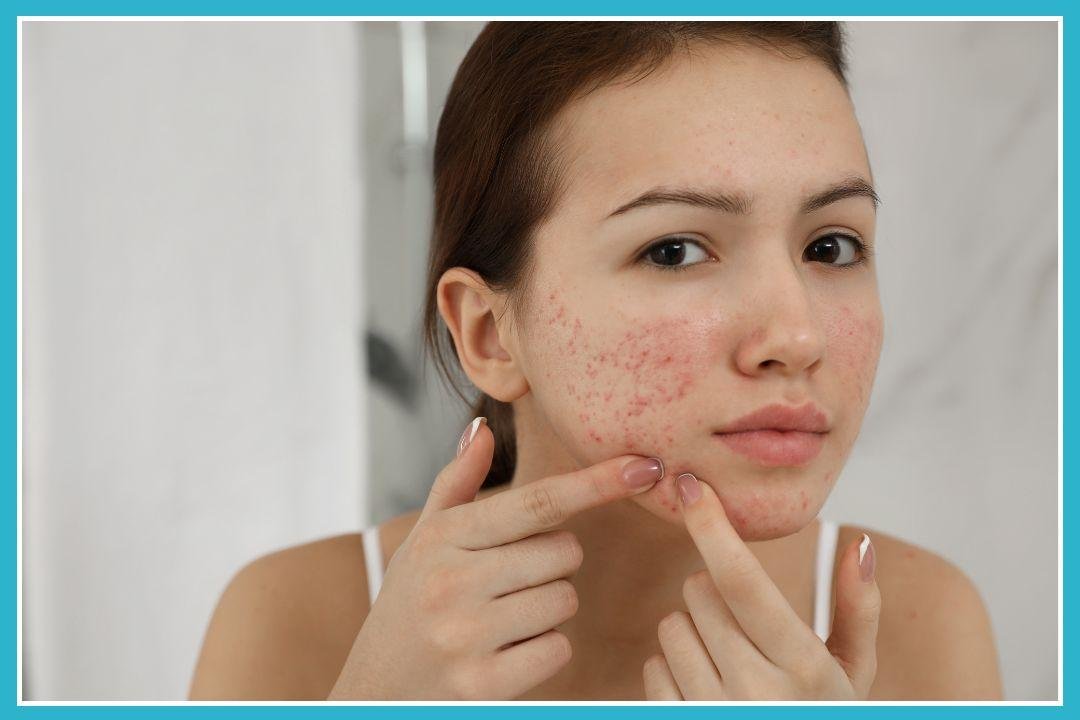
You’ve tried different cleansers, spot treatments, maybe even trending skincare routines, yet the breakouts keep coming back. Stubborn acne refers to acne that persists despite consistent efforts and often resists standard treatments.
Unlike occasional pimples, this type of acne tends to linger, recur in the same areas, and feel frustratingly unpredictable.
In this guide, you’ll learn what causes stubborn acne, how to identify it, and evidence-based ways to manage it. Keep in mind that clear skin takes time, consistency, and the right approach, not overnight fixes.
What Exactly Is Stubborn Acne?
Stubborn vs. Occasional Acne
Not all acne is the same. Occasional breakouts usually resolve within days or weeks, often triggered by temporary factors like stress or diet.
Stubborn acne, on the other hand, typically:
- Lasts 6 months or longer
- Returns in the same areas repeatedly
- Doesn’t respond well to over-the-counter (OTC) products
It often involves deeper inflammation and may require a more structured approach to manage.
Signs Your Acne Is “Stubborn”
You may be dealing with stubborn acne if you notice:
- Deep, painful bumps (cysts or nodules)
- Persistent redness and inflammation
- Breakouts that recur in the same spots (like the jawline or cheeks)
- Little to no improvement despite consistent skincare use
These patterns suggest that underlying factors, not just surface-level issues, are involved.
Who Gets Stubborn Acne?
Stubborn acne can affect people of all ages and backgrounds. However, certain groups may be more prone:
- Teenagers: Hormonal fluctuations during puberty
- Adults: Especially individuals experiencing hormonal changes
- Adult women: Often see breakouts around the chin and jawline
- People with oily or sensitive skin types
- Those with a family history of acne
Genetics, hormones, and skin type all play a role in how acne develops and persists.
Types of Stubborn Acne
Cystic Acne
Cystic acne involves large, fluid-filled lesions deep beneath the skin’s surface. These are often painful, red, and swollen. They develop slowly and can leave scars if not managed carefully. Cystic acne frequently resists surface-level treatments because the inflammation occurs deep in the dermis.
Nodular Acne
Similar to cystic acne but firmer, nodular acne features hard, solid lumps without obvious pus on the surface. These nodules can be very tender and persist for weeks or months. They often require professional evaluation because they sit deeper than typical pimples.
Hormonal Acne
Hormonal stubborn acne commonly appears in adult women and is influenced by the menstrual cycle. Breakouts typically cluster along the jawline, chin, and neck. Fluctuations in androgens (male hormones present in everyone) can increase oil production and inflammation. It may also link to conditions such as PCOS, thyroid imbalances, or perimenopause.
Persistent Adult Acne
Many adults experience acne that never fully resolves from their teenage years or emerges later in life. This type often combines hormonal, lifestyle, and environmental factors. It can be particularly frustrating because it defies the common belief that acne is only a “teen problem.”
Fungal Acne (Malassezia) vs True Acne
Fungal acne (pityrosporum folliculitis) looks similar to bacterial acne but is caused by yeast overgrowth. Key clues include uniform small bumps, intense itching, and worsening with traditional acne treatments (especially oils or heavy creams). It often appears on the chest, back, and upper arms. A dermatologist can help differentiate the two.
Acne vs Other Skin Conditions
Sometimes what looks like stubborn acne is actually:
- Rosacea: Redness, visible blood vessels, and pimple-like bumps, often on the central face. It usually lacks blackheads.
- Folliculitis: Inflamed hair follicles that can resemble acne but often stem from bacteria, fungi, or irritation (e.g., shaving or tight clothing).
Accurate identification is important because treatments differ.
Why Your Acne Won’t Go Away (Root Causes Explained)
Hormonal Imbalances
Hormones strongly influence sebum (oil) production. Elevated androgens can cause pores to clog more easily. Common contributors include menstrual cycles, PCOS, thyroid disorders, and perimenopause. Many women notice flares right before their period.
Excess Oil & Clogged Pores
Overactive sebaceous glands produce too much oil, which mixes with dead skin cells to form comedones (clogged pores). This creates an environment where inflammation can thrive, especially in those genetically predisposed to stronger oil production.
Bacterial Overgrowth & Resistance
Cutibacterium acnes (formerly P. acnes) is a normal skin bacterium, but certain strains can trigger inflammation. Over time, bacteria may develop resistance to some treatments, and biofilms can make them harder to control.
Skin Barrier Damage & Microbiome Imbalance
Over-exfoliating, using harsh cleansers, or layering too many active ingredients can weaken your skin’s protective barrier. A damaged barrier leads to more irritation, dryness, and paradoxically more breakouts as the skin tries to compensate.
Diet, Gut Health & Inflammation
Some studies suggest links between high-glycemic foods, dairy, and increased acne severity in certain individuals. The gut-skin axis is an emerging area of research; imbalances in gut bacteria may influence systemic inflammation and skin health. Insulin resistance can also play a role.
Lifestyle & Environmental Triggers
Chronic stress raises cortisol, which can stimulate oil glands. Poor sleep, high humidity, pollution, and friction (from masks, phone screens, helmets, or tight clothing, “maskne”) can all worsen stubborn acne.
Skincare & Product Mistakes
Using comedogenic (pore-clogging) ingredients, overusing strong actives, or not removing makeup properly can contribute to acne cosmetica. Product buildup and inconsistent routines often sabotage progress.
Medications & Underlying Health Conditions
Certain medications (e.g., steroids, some anticonvulsants, or hormonal treatments) can trigger acne as a side effect. Underlying conditions like polycystic ovary syndrome, insulin resistance, or other hormonal disorders may require medical evaluation beyond skincare alone.
Important Note on Risks and Side Effects: Many treatments for stubborn acne, including prescription options, carry potential side effects such as dryness, irritation, sun sensitivity, or more serious risks. Always discuss benefits and risks thoroughly with a qualified healthcare provider before starting any new treatment.
Common Mistakes That Make Stubborn Acne Worse
Many people unintentionally prolong their breakouts by making well-intentioned but counterproductive choices. Recognizing these common pitfalls can help you avoid making things worse while you work toward clearer skin.
Here are frequent mistakes:
- Over-exfoliating, using harsh scrubs, strong acids daily, or multiple actives at once damages the skin barrier, leading to more irritation and breakouts.
- Layering too many active ingredients too quickly without giving your skin time to adjust.
- Switching products constantly, this prevents any single routine from showing results (most need 8–12 weeks).
- Picking or popping pimples increases inflammation, spreads bacteria, and raises scarring risk.
- Skipping moisturizer or sunscreen, even oily skin needs hydration and sun protection; dehydration can trigger more oil production.
- Inconsistent routines, using products only when breakouts appear instead of daily maintenance.
Small, steady changes often produce better long-term outcomes than aggressive overhauls.
The Complete Treatment Framework for Stubborn Acne
A structured, phased approach helps many people manage stubborn acne more effectively. Progress requires patience and consistency.
Phase 1 – Skin Reset & Barrier Repair
Before introducing stronger treatments, focus on calming and strengthening your skin:
- Switch to a gentle, non-foaming cleanser
- Use hydrating ingredients like ceramides, hyaluronic acid, and centella
- Reduce irritation by pausing strong actives temporarily
- Prioritize repairing the skin barrier to improve tolerance for future treatments
Phase 2 – Proven Active Ingredients
Once the barrier feels more stable, many incorporate evidence-supported ingredients gradually. Commonly discussed options include:
- Benzoyl peroxide helps reduce bacteria
- Salicylic acid assists with unclogging pores
- Retinoids (such as adapalene or prescription tretinoin) Support cell turnover and prevent clogged pores
- Azelaic acid Calms inflammation and helps with pigmentation
- Niacinamide supports barrier function and reduces oiliness
- Bakuchiol, A gentler plant-based alternative for those sensitive to retinoids
Always introduce one new ingredient at a time and patch test.
Phase 3 – The Consistency Rule (8–12 Weeks)
Real improvement with most treatments takes time.
- Expect possible “purging” (temporary worsening as pores clear) versus true irritation.
- Track your skin weekly with photos in consistent lighting.
- Avoid “product hopping”, stick with a routine long enough to evaluate results.
Phase 4 – Optimization & Personalization
After initial progress, refine your approach:
- Adjust the frequency or strength of actives based on how your skin responds
- Learn proper layering order (usually thinnest to thickest textures)
- Combine professional guidance with at-home care when needed
Risks and Side Effects: Active ingredients can cause dryness, redness, peeling, increased sun sensitivity, or allergic reactions. Stronger prescription treatments may have additional risks. Always consult a dermatologist before starting any treatment, especially for oral medications or procedures.
Preventing Stubborn Acne from Coming Back
Even after improvement, maintenance is key. Stubborn acne can return if underlying triggers are not managed.
Focus on:
- Maintaining a simple, consistent routine
- Continuing gentle use of active ingredients (as tolerated)
- Daily sun protection to support skin health
- Tracking triggers such as diet, stress, or product changes
You might also benefit from:
- Keeping a skin journal
- Adjusting routines with seasonal changes
- Prioritizing barrier repair when irritation appears
Myths About Stubborn Acne (Debunked)
Misinformation fuels frustration and delays progress. Let’s separate evidence from assumptions.
Myth: “You just need to wash your face more.”
Fact: Over-washing strips protective oils and damages your barrier. Cleansing twice daily is sufficient. More frequent washing triggers inflammation and worsens persistent breakouts.
Myth: “Natural remedies always work.”
Fact: Natural does not equal safe or effective. Essential oils, lemon juice, and undiluted apple cider vinegar cause chemical burns, allergic reactions, and prolonged irritation. Some plant extracts show promise in clinical studies, but they require proper formulation and concentration.
Myth: “You’ll outgrow it.”
Fact: Adult-onset and adult-persistent acne affect millions worldwide. Hormonal shifts, stress, and environmental factors trigger breakouts well beyond your twenties. Effective management strategies exist at any age.
Myth: “Dirty skin causes acne.”
Fact: Acne forms beneath the skin’s surface due to hormones, oil production, and clogged pores. Surface dirt does not cause breakouts. Gentle cleansing supports skin health, but scrubbing aggressively increases inflammation and scarring risk.
Conclusion
Dealing with stubborn acne can feel frustrating, but improvement is possible with the right strategy. Focus on understanding your triggers, using evidence-based treatments, and staying consistent over time.
Clear skin rarely happens overnight, but with patience and the right support, progress is achievable. If your acne continues to persist, consider consulting a qualified professional for personalized guidance.
Medical Disclaimer: This content is for informational purposes only and does not constitute medical advice, diagnosis, or treatment. Always consult a qualified healthcare provider or dermatologist regarding any skin concerns or before starting new treatments.