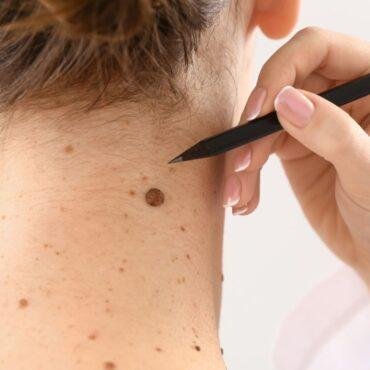
Dermatologist Skin Cancer Screening | What to Expect, Benefits, Cost & When to Get Checked
Skin cancer affects about 1 in 5 people in their lifetime, making it one of the most common cancers worldwide. The good news? Early detection through a dermatologist’s skin cancer screening can dramatically improve outcomes. This quick, non-invasive exam helps identify suspicious spots before they become serious.
In this guide, you’ll learn what a screening involves, who needs it, how often to get checked, and how it supports long-term skin health.
Understanding Skin Cancer
Skin cancer occurs when skin cells grow abnormally, often due to ultraviolet (UV) radiation exposure from the sun or tanning beds. Genetics and immune health can also play a role.
When detected early, many skin cancers are highly treatable. However, advanced cases can spread to other parts of the body, making treatment more complex.
Main Types of Skin Cancer
- Melanoma
The most serious form. It can spread quickly if not detected early. - Basal Cell Carcinoma
The most common type. It grows slowly and rarely spreads, but still requires treatment. - Squamous Cell Carcinoma
Can grow deeper into the skin and may spread if untreated.
Rarer Types
- Merkel cell carcinoma
- Dermatofibrosarcoma
Precancerous Conditions
- Actinic keratoses (sun-damaged rough patches)
- Dysplastic (atypical) moles
What Is a Dermatologist’s Skin Cancer Screening?
A dermatologist’s skin check is a preventive, full-body visual assessment performed by a board-certified specialist. Unlike a diagnostic visit, which focuses on treating a specific rash or wound, a screening proactively examines your entire skin landscape.
The goal is to identify subtle warning signs, track existing moles, and establish a personalized baseline for future visits. Most appointments last between 10 and 30 minutes, depending on your medical history and the number of lesions being documented.
Screening Methods & Tools
- Visual full-body examination: Your dermatologist systematically inspects every visible surface using bright lighting and magnification.
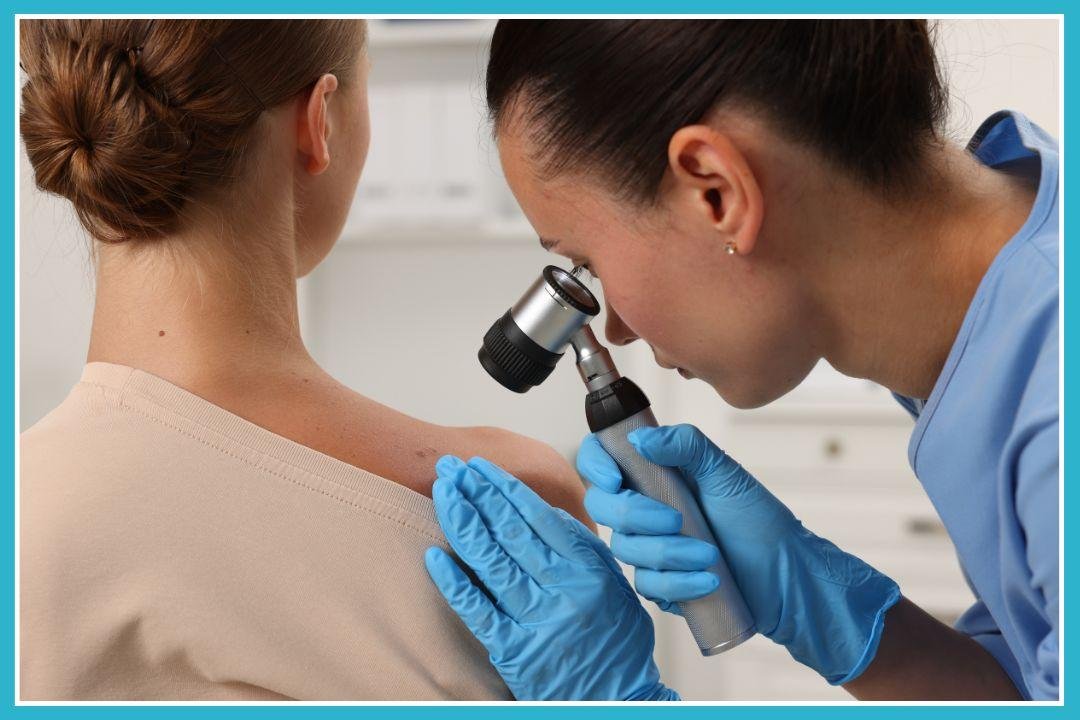
- Dermoscopy: A handheld device that uses polarized light to magnify skin structures up to 10x. It reveals pigment patterns invisible to the naked eye.
- Digital mole mapping / total body photography: High-resolution images create a permanent record. Future visits compare new scans against these baselines to detect microscopic changes.
- AI-assisted and advanced imaging: Emerging algorithms help flag atypical lesions, improving consistency and reducing human error during high-volume screenings.
Why Dermatologist Skin Cancer Screening Is Important
A dermatologist’s skin cancer screening is more than just a routine check; it can be life-saving.
- Early detection improves survival rates
- Reduces the need for aggressive treatments
- Helps prevent cancer from spreading (metastasis)
- More accurate than self-exams alone
For example, a small, early-stage melanoma may be treated quickly, while a late-stage diagnosis can require more complex care. This is why many experts emphasize regular screenings as part of preventive healthcare.
Who Should Get a Dermatologist Skin Cancer Screening?
Not everyone needs the same level of screening, but certain factors increase risk.
High-Risk Groups
You may benefit from regular screenings if you have:
- Fair skin, light eyes, freckles, or light hair that burns easily.
- A history of severe sunburns or indoor tanning bed use.
- Family or personal history of skin cancer.
- 50 or more moles, or atypical (unusual-looking) moles.
- A weakened immune system (e.g., organ transplant recipients or certain medical conditions).
- Outdoor occupations or frequent athletic activities in the sun.
Age & Life Stage Considerations
Many experts suggest a baseline screening in early adulthood (20s or 30s). Frequency often increases after age 50. Pediatric screenings are uncommon but relevant for children with a very high risk. During pregnancy, discuss any new or changing spots with your doctor.
Self-Assessment
Quick checklist: Should you get screened?
- Do you have any of the risk factors above?
- Have you noticed new or changing moles?
- Have you gone more than a couple of years without a professional check?
If you answered yes to any, consider scheduling an appointment. Talk to your primary care doctor or a dermatologist for personalized guidance.
How Often Should You Get Screened?
There are no universal national mandates, but general guidance helps:
- Average-risk individuals: A baseline exam plus periodic checks (often every 1–2 years or as recommended by your doctor).
- High-risk individuals: every 6–12 months, or more frequently based on your dermatologist’s advice.
- Post-skin cancer patients: Personalized follow-up plans are often more frequent.
Pay attention to warning signs that call for an immediate visit, such as rapidly changing moles or unusual skin changes. Always consult your doctor about the right schedule for you.
What to Expect During a Dermatologist Skin Cancer Screening
Knowing what happens during a skin cancer exam ahead of time helps ease nerves and streamline your visit.
Before the Exam
Your provider will review your medical history, current medications, and family background. You will discuss your daily sun exposure habits, past sunburns, and any specific areas you have noticed changing. This conversation guides the depth of your examination and helps your dermatologist prioritize regions of concern.
Step-by-Step Screening Process
You will typically change into a provided gown. Your dermatologist will then inspect your skin from scalp to soles, using systematic lighting and magnification. They will carefully check hidden zones like behind your ears, between your fingers and toes, under your nails, and along your hairline. Any suspicious areas will be documented with clinical photography or measured for future comparison.
Comfort, Privacy & Duration
The entire process is completely non-invasive and painless. You retain full control over which areas are examined, and explicit consent is required before inspecting intimate regions. Most dermatologists’ skin cancer screening sessions last 10–20 minutes. Your provider will communicate findings in real time, explaining which spots appear benign and which require closer watch.
If a Suspicious Spot Is Found
If a lesion raises concern, your dermatologist may recommend a same-day biopsy. The area receives a local anesthetic to ensure comfort. Common techniques include:
- Shave biopsy: Removes the top skin layers using a surgical blade
- Punch biopsy: Extracts a small cylindrical tissue sample
Excisional biopsy: Removes the entire lesion with a narrow margin
- The site is covered with a sterile dressing, and you will receive simple aftercare instructions. Minor swelling or scabbing usually resolves within 1–2 weeks.
What Dermatologists Look For During Screening
Dermatologists are trained to identify patterns that may indicate skin cancer.
The ABCDE Rule
- A – Asymmetry: One half doesn’t match the other
- B – Border: Irregular or uneven edges
- C – Color: Multiple shades or uneven coloring
- D – Diameter: Larger than 6mm (about a pencil eraser)
- E – Evolving: Changes over time
Other Warning Signs
- “Ugly duckling” mole (looks different from others)
- Persistent sores or lesions
- Red, scaly, or rough patches
Benign vs. Suspicious Lesions
Not all moles are dangerous. Dermatologists distinguish between:
- Benign growths: harmless and common
- Suspicious lesions: may require monitoring or biopsy
Self-Exams vs Professional Screenings
Monthly self-checks empower you to monitor your skin between appointments. However, they work best as a complement to, not a replacement for, professional evaluation.
Dermatologists undergo years of specialized training to recognize subtle pattern disruptions that untrained eyes easily overlook.
How to perform an effective self-check:
- Use a full-length mirror plus a handheld mirror for hard-to-see areas
- Check your scalp with a comb or ask a partner for help
- Examine between fingers, toes, and under nails (melanoma can hide here)
- Photograph concerning spots with a ruler for size reference
- Track changes using a simple journal or smartphone app
Limitations of self-exams: You cannot assess your back, scalp, or other hidden zones thoroughly. You also lack access to dermoscopy, which reveals subsurface structures critical for accurate diagnosis.
Studies show that combining monthly self-checks with annual professional dermatologist skin cancer screening offers the strongest protection strategy.
Cost, Insurance & Accessibility
Average screening cost typically ranges from $100 to $350 or more, depending on location, whether biopsies or mapping are added, and the clinic.
Many insurance plans cover dermatologist skin cancer screenings, especially for high-risk patients or when deemed medically necessary. Preventive vs. diagnostic billing can differ, so it helps to check in advance. Medicare and Medicaid have specific guidelines, and the Affordable Care Act supports some preventive benefits.
Tips to avoid surprise bills:
- Verify in-network providers.
- Ask for CPT codes upfront.
- Request an itemized estimate.
Affordable options include free community screening programs, health fairs, mobile skin cancer screening units, and community clinics. Teledermatology can work well for follow-ups or initial photo reviews but usually cannot fully replace an in-person full body skin exam.
How to Choose the Right Dermatologist
Selecting a qualified provider makes a significant difference. Prioritize board-certified dermatologists who have specialized training in skin cancer detection.
Dermatologist vs. primary care physician: Dermatologists have extensive experience with skin lesions, dermoscopy, and biopsies, making them the preferred choice for thorough screenings.
What to look for:
- Regular use of dermoscopy and modern tools.
- Clear communication and patient education.
- Transparent pricing and friendly staff.
- Good reviews focused on thoroughness and comfort.
Red flags include clinics that push unnecessary procedures or seem rushed. For full body exams, in-person visits are generally recommended over telehealth, though virtual options can help with follow-ups.
Common Myths About Skin Cancer Screening
Misinformation can delay life-saving care. Let’s clarify evidence-based facts:
- “I don’t need screening if I don’t burn.”
Fact: UV damage accumulates regardless of visible burning. People with darker skin tones can develop acral lentiginous melanoma on palms, soles, or under nails. - “Skin cancer only affects older people.”
Fact: Melanoma ranks among the most common cancers in adults aged 25–29. Early-onset cases are rising, especially with tanning bed exposure. - “Screenings are painful or embarrassing.”
Fact: The exam is non-invasive, painless, and conducted with strict privacy protocols. You control which areas are examined, and consent is always required for sensitive zones. - “Darker skin doesn’t need screening.”
Fact: While incidence is lower in people with more melanin, skin cancer is often diagnosed at later, more dangerous stages in these populations. Everyone benefits from professional evaluation. - “Self-checks are just as accurate as a dermatologist exam.”
Fact: Dermatologists detect subsurface patterns and precursors invisible to untrained eyes. Professional screening reduces both missed diagnoses and unnecessary worry.
When to See a Dermatologist Immediately
Don’t wait for your next routine visit if you notice:
- Rapidly changing or brand-new moles.
- Spots that bleed, itch, crust, or won’t heal.
- The “Ugly Duckling” sign – a mole that looks different from the others.
- Any persistent or unusual skin changes.
Early evaluation of concerning spots provides the best peace of mind.
When to See a Dermatologist Immediately
Don’t wait for your next routine visit if you notice:
- A mole that changes quickly
- Bleeding, itching, or crusting lesions
- A spot that looks different from others (“ugly duckling”)
- Any persistent or unusual skin change
Prompt evaluation can make a significant difference in outcomes.
Conclusion
A dermatologist’s skin cancer screening is quick, effective, and potentially life-saving. Detecting skin cancer early often leads to simpler treatment and better outcomes. By combining regular screenings with monthly self-checks, you take an active role in protecting your health. If you haven’t had a skin exam before, consider scheduling one and making it part of your routine care.
Medical Disclaimer: This content is for informational purposes only and does not replace professional medical advice, diagnosis, or treatment. Always consult a qualified healthcare provider or dermatologist with any questions or concerns about your skin health.