Best Melasma Treatment | Dermatologist-Approved Options That Actually Work
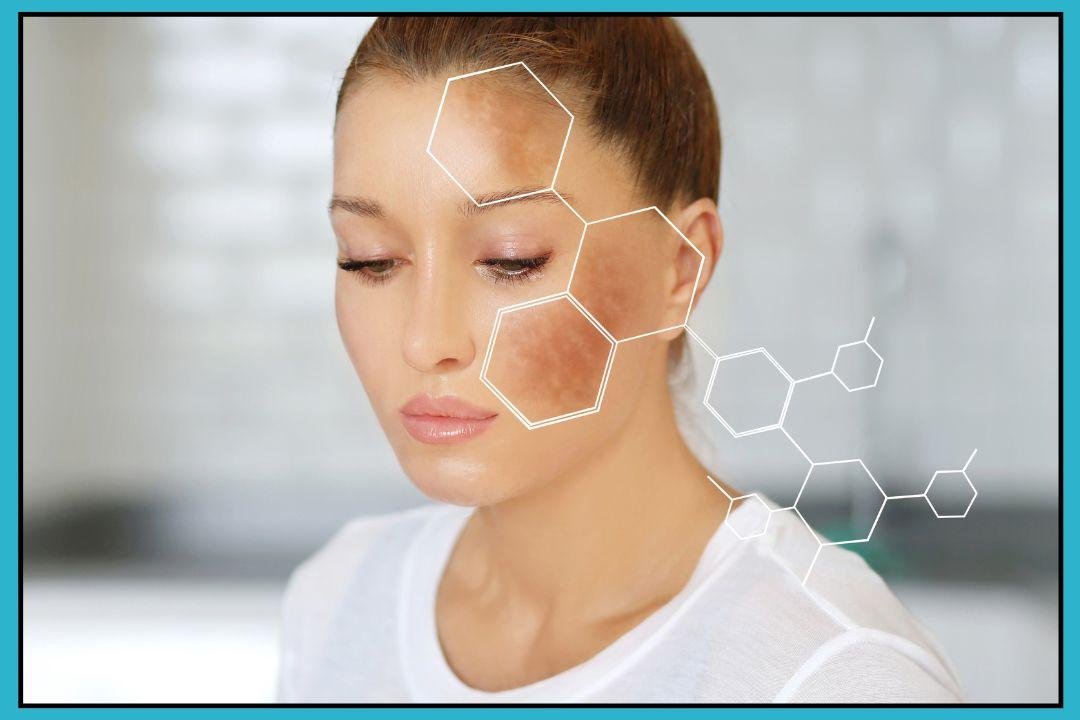
Melasma can feel frustrating; those stubborn dark patches often return just when you think they’re fading. This common pigmentation condition affects many people, especially women and individuals with medium to darker skin tones.
The key truth? There’s no single “best melasma treatment.” Instead, the most effective approach depends on your skin type, triggers, and lifestyle. In this guide, you’ll learn about proven treatments, realistic timelines, prevention strategies, and what to expect from different options.
What Is Melasma? (Complete Beginner-Friendly Explanation)
Melasma is a form of hyperpigmentation that appears as brown or grayish patches, typically on the face, especially the cheeks, forehead, upper lip, and jawline.
It happens when melanocytes (pigment-producing cells) become overactive, producing excess melanin in certain areas of the skin.
Common triggers include:
- Sun exposure (the biggest factor)
- Hormonal changes (pregnancy, birth control, hormone therapy)
- Genetics
- Heat and inflammation
Unlike simple sunspots, melasma is often symmetrical and chronic, meaning it can come back even after treatment. This is why long-term management is essential.
How to Choose the Best Melasma Treatment for Your Skin
Key Factors That Influence Treatment
Choosing the right melasma treatment depends on several personal factors:
- Skin type (Fitzpatrick scale): Darker skin tones are more prone to rebound pigmentation.
- Depth and severity: Surface-level (epidermal) melasma responds faster than deeper (dermal) types.
- Hormonal factors: Ongoing hormonal triggers may require a different approach.
- Lifestyle and sun exposure: Outdoor routines or heat exposure can affect results.
Because of these variables, what works for one person may not work for another.
Why “One-Size-Fits-All” Treatments Fail
Many people try trending products or aggressive treatments, hoping for quick results. Unfortunately, this often backfires.
- Overuse of strong actives can irritate the skin and worsen pigmentation.
- Incorrect treatments for your melasma type may lead to minimal results.
- Skipping sun protection can undo progress quickly.
Personalized, gradual treatment plans, often guided by a dermatologist, are widely considered the safest and most effective approach.
The Best Melasma Treatments (Ranked & Explained)
Modern dermatology approaches melasma management through layered, evidence-based strategies. Below, you will find the most clinically validated options, how they work, and when dermatologists typically recommend them.
1. Topical Treatments (First-Line Foundation)
Topical applications remain the cornerstone of daily management. They work by interrupting melanin production, accelerating gentle cell turnover, or calming inflammation that triggers pigment cells.
- Hydroquinone (2–4%): Long considered the clinical gold standard for brightening. It slows melanin production by targeting the tyrosinase enzyme. Dermatologists recommend cycling it (typically 8–12 weeks on, followed by a break) to reduce rare risks like exogenous ochronosis.
- Tretinoin: A prescription retinoid that speeds up cell turnover and enhances the penetration of other brighteners. It requires a gradual introduction to minimize dryness or irritation.
- Azelaic acid: A well-tolerated alternative that reduces pigment production and calms inflammation. It is frequently recommended as a hormonal melasma treatment option during pregnancy or for sensitive skin.
- Tranexamic acid (topical): Originally used for clotting management, this ingredient blocks the pathway that links UV damage to melanocyte activation. Recent studies show promising results for stubborn patches when used consistently.
- Vitamin C, niacinamide, kojic acid: Antioxidant and pigment-inhibiting agents that support brightening without heavy irritation. Niacinamide specifically helps block melanin transfer to skin cells.
- Cysteamine: An emerging topical that naturally reduces melanin synthesis. Early clinical data suggest efficacy comparable to hydroquinone with a different safety profile.
- Botanicals (licorice, arbutin, mulberry extract): Plant-derived compounds that offer mild, supportive brightening. They work best as part of a broader routine rather than as standalone solutions.
2. Combination Therapy (Most Effective Approach)
Single ingredients rarely deliver optimal results on their own. Dermatologists frequently prescribe combination creams that pair hydroquinone, a retinoid, and a mild corticosteroid. This trio works synergistically: hydroquinone blocks pigment, tretinoin renews cells, and the steroid minimizes irritation.
Clinical trials consistently show higher clearance rates with triple-combination therapy compared to single agents. However, these formulas require medical supervision and structured break periods to maintain skin safety.
3. Oral Treatments
When topicals plateau, providers may consider systemic options under close medical supervision.
- Oral tranexamic acid: Multiple studies demonstrate that low-dose oral tranexamic acid can significantly reduce melasma severity by inhibiting the vascular and inflammatory pathways that activate melanocytes. It requires a physician’s assessment for blood clot history and cardiovascular risk.
- Antioxidant supplements: Polypodium leucotomos extract (fern extract) and glutathione show modest protective effects against UV-induced pigmentation. Research supports them as adjuncts to sun protection, not replacements.
4. Professional & In-Clinic Treatments
When consistent topicals reach their limit, controlled in-office procedures can help lift stubborn pigment. The key is conservative, low-intensity energy delivery to avoid triggering inflammation.
- Chemical peels: Superficial to medium peels (glycolic, salicylic, TCA, or Jessner’s solution) gently exfoliate pigmented layers. They work best in a series, spaced 3–4 weeks apart.
- Microneedling & RF microneedling create controlled micro-channels to improve topical absorption and stimulate healthy remodeling. Often paired with tranexamic acid or PRP for enhanced results.
- Laser & light therapies: Low-fluence Q-switched Nd: YAG, fractional non-ablative lasers, and picosecond devices can safely target deeper pigment. IPL (Intense Pulsed Light) is often contraindicated for melasma, as the broad heat spectrum frequently triggers rebound darkening in susceptible skin.
- PRP (Platelet-Rich Plasma): Uses your own growth factors to support skin healing and reduce post-procedure inflammation, lowering rebound risk.
- Low-level light therapy uses specific LED wavelengths to calm inflammation and support cellular repair. Still considered adjunctive but shows promise for maintenance phases.
5. Emerging & Experimental Treatments
Dermatology research continues to refine how to treat melasma more safely. Newer picosecond laser settings now deliver ultra-short pulses that shatter pigment with less thermal damage.
Novel topical formulations using nano-encapsulation and targeted delivery systems are also in clinical trials, aiming to boost ingredient efficacy while minimizing irritation. Always ask your provider about peer-reviewed data before trying experimental protocols.
The “Best” Approach: A Dermatologist-Backed 3-Step Framework
Clear, even-toned skin comes from structure, not shortcuts. This evidence-based framework prioritizes barrier health, targeted action, and long-term consistency.
Step 1: Protect
Sun exposure remains the primary driver of melasma activity. You must use broad-spectrum SPF 50+ daily, rain or shine. Crucially, choose a tinted mineral formula with iron oxides to block visible blue and high-energy light, which standard chemical sunscreens often miss. Reapply every two hours during outdoor exposure and seek shade between 10 AM and 4 PM.
Step 2: Treat
Once protection is non-negotiable, layer your active treatments strategically. Start with one or two well-tolerated brighteners. Introduce new products slowly (every 2–3 weeks) to monitor for redness or stinging. If you incorporate professional treatments, space them appropriately and follow strict pre- and post-care protocols. Safe cycling prevents barrier breakdown and keeps pigment cells calm.
Step 3: Maintain
Melasma management is a marathon. After you achieve noticeable fading, shift to a maintenance phase with lower-dose actives, consistent SPF, and trigger awareness. Adjust your routine seasonally, reduce frequency during sensitive periods, and keep a simple skincare log to track what your skin responds to best. Consistency here prevents the frustrating cycle of fade-and-return.
Best Melasma Treatment by Skin Type & Situation
Mild vs Moderate vs Severe Melasma
- Mild cases often respond well to topical treatments plus rigorous sun protection.
- Moderate melasma frequently benefits from combination therapy (topicals + chemical peels or microneedling).
- Severe or stubborn cases may require oral medications or advanced procedures under specialist care.
Treatment for Darker Skin Tones (Higher Risk Cases)
People with Fitzpatrick skin types IV–VI face higher risks of post-inflammatory hyperpigmentation (PIH) or rebound melasma from aggressive treatments. Gentler options like azelaic acid, cysteamine, tranexamic acid, or low-fluence Q-switched Nd: YAG lasers (when performed by experienced providers) are often preferred. Caution with heat-based lasers is essential, as they can worsen pigmentation.
Hormonal Melasma (Pregnancy, Birth Control)
Hormonal fluctuations commonly trigger or worsen melasma. During pregnancy, stick to pregnancy-safe options like azelaic acid and strict sun protection. Many cases improve after delivery, but not always completely. Consult your doctor about safe treatments while breastfeeding or using hormonal contraception.
Resistant / Refractory Melasma
For cases that do not respond to standard care, dermatologists may combine oral tranexamic acid, advanced topicals (such as newer agents like thiamidol or malassezin), RF microneedling, or carefully selected picosecond lasers. A multi-modal, personalized plan often yields better outcomes.
Melasma Treatment Cost Guide
Costs vary widely by location, provider, and treatment plan. Here are general U.S. averages:
Average Costs by Treatment Type
- Topicals: OTC brightening serums $20–$150 per product; prescription creams (including compounded triple combination) $50–$300+ for several months’ supply.
- Chemical Peels: $150–$350 per session (series of 3–6 recommended).
- Microneedling / RF Microneedling: $300–$1,200 per session.
- Laser Treatments (Pico, Q-switched, fractional): $400–$1,000+ per session; full series often $1,500–$4,000+.
Budget Planning
Topical-only approaches are most affordable long-term. Adding occasional peels or maintenance procedures increases costs but can accelerate visible results. Factor in ongoing sunscreen and skincare; many people budget $100–$300 monthly for effective maintenance.
Insurance & Coverage
Cosmetic treatments for melasma are typically not covered by insurance. Some prescription topicals may have partial coverage; check with your provider.
Common Mistakes That Make Melasma Worse
Even well-intentioned routines can trigger rebound pigmentation when they disrupt your skin barrier. Avoiding these pitfalls keeps your treatment on track and prevents unnecessary setbacks.
- Skipping sunscreen: Missing UV or visible light protection directly reactivates pigment cells, undoing weeks of careful treatment.
- Using too many actives: Layering multiple brighteners, strong acids, and retinoids simultaneously causes inflammation, which signals your skin to produce more melanin.
- Chasing “quick fixes”: Aggressive peels, DIY lemon or vinegar applications, and unverified lightening kits damage the skin and frequently deepen discoloration.
- Unregulated products or clinics: Creams containing hidden mercury, high-potency steroids, or uncalibrated laser devices carry serious health and scarring risks. Always verify ingredients and provider credentials before proceeding.
How to Prevent Melasma from Coming Back
Melasma thrives on consistency in the wrong direction, so flipping that script with structured maintenance keeps patches from returning. Long-term success relies on gentle daily habits, not intensive interventions.
Long-Term Maintenance Plan
Once your skin shows steady improvement, transition to a simplified routine. Swap prescription-strength brighteners for lower-dose OTC alternatives, maintain daily mineral SPF, and focus on barrier-supporting moisturizers. Schedule check-ins with your dermatologist every 3–6 months to adjust your plan before minor shifts become noticeable flare-ups.
Seasonal Adjustments
Sun intensity and indoor heating change throughout the year, which directly impact your skin’s behavior. During summer, increase SPF reapplication frequency, wear UPF clothing, and reduce active ingredient strength if you experience stinging. In winter, combat dryness with ceramide-rich creams and avoid sudden temperature swings that can trigger vascular inflammation and pigment activity.
Managing Triggers
Heat, friction, and stress all influence melanocyte behavior. Limit prolonged exposure to hot yoga, saunas, and steam rooms, especially during active treatment phases. Wear wide-brim hats and seek shade during peak sun hours. If you suspect medications or hormonal shifts are driving flare-ups, keep a simple symptom log and share it with your healthcare provider to identify actionable adjustments.
How to Choose the Right Treatment Provider
When to See a Dermatologist
Consider seeking professional guidance if:
- You’re unsure whether it’s melasma
- Over-the-counter treatments aren’t helping after a few months
- Pigmentation is worsening
- You’re considering procedures like lasers or peels
Red Flags to Avoid
Not all providers offer safe or evidence-based care.
Watch out for:
- Claims of a “permanent cure.”
- Lack of proper credentials
- One-size-fits-all treatment plans
- Clinics that don’t discuss risks or aftercare
Questions to Ask Before Treatment
Before starting any procedure, it’s reasonable to ask:
- What type of device or treatment will be used?
- What are the potential risks for my skin type?
- How many sessions are typically needed?
- What is the plan if pigmentation worsens?
Clear communication helps you make informed decisions.
Final Thoughts
There’s no universal best melasma treatment; the right approach depends on your skin, triggers, and consistency. Quick fixes rarely work, but steady care often does. Daily sun protection remains essential, even when your skin improves. If you’re unsure where to start, consulting a qualified dermatologist can help you build a safe, personalized plan.
Medical Disclaimer: This content is for informational purposes only and does not constitute medical advice. It is not intended to diagnose, treat, cure, or prevent any condition. Always consult a qualified healthcare provider or dermatologist for personalized evaluation and treatment recommendations.
Frequently Asked Questions
What is the best melasma treatment?
The best melasma treatment is usually a combination approach, including sun protection, topical treatments, and sometimes procedures. The ideal plan depends on your skin type, severity, and triggers.
Can melasma be cured permanently?
Melasma is generally considered a chronic condition, meaning it can be managed but may return. Long-term maintenance and sun protection are important to keep it under control.
What is the fastest way to treat melasma?
There is no instant solution. Some combination treatments may show results faster, but most improvements take several weeks to months. Gradual, consistent care is typically more effective.
Is laser treatment safe for melasma?
Laser treatments can help in some cases but also carry a risk of worsening pigmentation, especially in darker skin tones. They should only be performed by experienced professionals.
How long does it take to see results?
Many people notice early improvements in 4–8 weeks, with more visible results over 3–6 months or longer, depending on the treatment and consistency.
Can melasma go away after pregnancy?
Pregnancy-related melasma may fade after delivery, but it doesn’t always disappear completely. Some people may still need treatment.
Are natural remedies effective?
Some natural ingredients like licorice or aloe vera may support skin health, but evidence is limited. Strong DIY remedies (like lemon juice) can irritate the skin and should be used with caution.
Why is my melasma getting worse? Flare-ups commonly stem from inconsistent sun protection, overuse of active ingredients, heat exposure, or underlying hormonal shifts. Irritation triggers inflammation, which signals melanocytes to produce more pigment. Adjusting your routine and consulting a dermatologist can help identify the specific cause.