Back Acne Treatment: Golla Center for Dermatology & Spa
- Uncategorized
- December 13, 2025
- admin
Back acne can be more than a cosmetic irritation. It can limit what you wear, make workouts uncomfortable, and quietly reduce your confidence. For many men and women over 30, “bacne” becomes a common problem that never quite clears, no matter how many new body washes you try.
At Golla Center for Dermatology & Spa in the Pittsburgh area, back acne treatment is handled by a dermatology-led team that understands both the medical side of acne and the aesthetic side of clear, even skin.
This guide breaks down why back acne shows up, which treatments actually work, and how the team at Golla Center builds a plan that goes beyond another over-the-counter product.
Why Back Acne Shows Up (Especially After 30)
Back acne forms the same way as facial acne. Oil (sebum), dead skin cells, and bacteria clog the hair follicles. The back has large, active oil glands, so once pores clog, they can easily turn into inflamed bumps, pustules, nodules, or deep cysts.
On the back, a few extra factors make things worse:
- Tight clothing, sports bras, or backpacks cause friction and pressure.
- Sweat sits on the skin after exercise and mixes with oil.
- Thick sunscreens or body lotions clog pores if they’re not labeled non-comedogenic.
For adults over 30, there may be even more at play:
- Hormonal shifts, including perimenopause or testosterone changes
- Chronic stress raising cortisol and oil production
- Medications such as steroids or some psychiatric drugs
- Slower skin turnover, so clogged pores clear less efficiently
That is why a proper medical assessment matters. Persistent back acne is not just “sweating too much at the gym.” It is often a mix of oil, friction, hormones, and sometimes your current skincare or medications.
When Back Acne Needs More Than a New Body Wash
Mild, occasional breakouts can often be handled at home. But if you’re seeing any of the following, it is time to involve a dermatologist:
- Painful, deep bumps under the skin
- Breakouts that linger for months or keep recurring
- Dark marks or indentations that stay after pimples heal
- Itching or burning under backpack straps or sports gear
- Emotional distress or avoiding certain clothes because of your back
Back acne can leave noticeable scars if you let it smolder for years. Nodules and cysts on the back are especially prone to scarring because they sit deep and stretch the surrounding tissue.
At that point, you are no longer treating just “pimples.” You are protecting your future skin quality.
Evidence-Based Back Acne Treatment: What Really Helps
Dermatology-guided back acne treatment usually layers several tools: smarter home care, prescription medication when needed, and in-office procedures to control inflammation and improve texture.
1. Smarter Home Care as a Foundation
The right routine will not cure severe acne by itself, but it sets the stage for everything else to work better.
Use targeted cleansers
- A salicylic acid (BHA) body wash helps dissolve dead cells and excess oil inside pores.
- Benzoyl peroxide washes kill acne-causing bacteria and reduce inflammation. Let them sit on the skin for a few minutes before rinsing for best effect.
Add a retinoid for the back
Over-the-counter adapalene 0.1% gel (a topical retinoid) can be applied to the back to unclog pores and prevent new lesions. Dermatologists recommend using it at night and pairing it with a gentle, non-comedogenic moisturizer if your skin feels dry.
Fix the friction and sweat problem
- Shower soon after exercise.
- Change into a clean, dry shirt instead of staying in damp gym wear.
- Choose looser, breathable fabrics when possible.
- Avoid heavy backpacks or padded gear resting on the same spots every day.
Back skin is hard to reach, so simple tools like a lotion applicator can make a big difference in actually getting medication where it needs to go.
For many adults, this combination is not enough on its own, but it is the baseline Golla dermatology providers will usually build on.
2. Prescription Topicals from a Dermatology Team
When back acne is moderate or stubborn, prescription-strength topical medications step in. The Golla Center team may use:
- Stronger retinoids than those found in drugstores (for example, tretinoin)
- Topical antibiotics combined with benzoyl peroxide to cut bacterial resistance
- Azelaic acid or other anti-inflammatory agents for redness and post-inflammatory marks
These medications help regulate how skin cells shed, reduce inflammation, and target bacteria on the back. They are chosen and adjusted based on your skin type, work schedule, and how much time you can realistically spend on your routine.
3. Oral Medications for Deep or Widespread Back Acne
For many men and women over 30, back acne is not limited to a few clogged pores. It can cover the shoulders, upper back, and even the lower back in nodules and cysts. In those cases, tablets or capsules are often necessary.
Common options include:
- Oral antibiotics such as doxycycline, minocycline, or sarecycline. Sarecycline is a newer, targeted tetracycline that has data specifically on facial and truncal (back and chest) acne.
- Hormonal therapy in appropriate women, such as combined oral contraceptives or spironolactone to address androgen-driven oil production.
- Isotretinoin for severe, scarring, or treatment-resistant acne. It reduces oil production long-term and can dramatically clear back and chest acne when monitored correctly.
Oral medications are never a one-size prescription. Your medical history, lab work, pregnancy plans, and other medications all factor into the decision. At a practice like Golla Center for Dermatology & Spa, those choices are handled by clinicians who manage acne every day, not once in a while.
4. In-Office Back Acne and Back Acne Scar Treatments
A medical spa attached to a dermatology practice can offer procedures that go beyond creams and pills. For back acne, the focus is usually on three goals: calm active breakouts, prevent new lesions, and repair texture and discoloration.
Options may include:
Chemical peels for the back
Dermatologists often use salicylic acid (BHA) or glycolic acid peels on the back. Salicylic acid peels help clear blackheads and inflammatory acne within a small number of sessions, while glycolic acid boosts exfoliation and can improve both active acne and early scarring.
Light and laser-based treatments
Light-based therapies such as photodynamic therapy or laser treatments can reduce bacteria, oil activity, and redness. Some platforms, like Laser Genesis, also stimulate collagen, which helps soften textural irregularities over time.
Cortisone injections for cysts
For large, painful cysts, a small steroid injection can quickly reduce swelling and tenderness and lower the risk of long-term scarring in that spot.
Back acne scar improvement
Once breakouts are under control, the focus shifts to marks and scars. Options may include:
- Topical tretinoin to encourage collagen remodeling and fade shallow scars and discoloration
- Microneedling or fractional laser for deeper textural changes
- Targeted treatments for dark spots along the shoulders and upper back
At Golla Center for Dermatology & Spa, these procedures sit under one roof with medical dermatology, which means your back acne treatment and scar care can be coordinated rather than pieced together from different offices.
How Golla Center Personalizes Back Acne Treatment
The dermatology team at Golla Center sees acne patients of all ages, but adult “bacne” has its own patterns. It may be tied to demanding jobs, frequent travel, hormone changes, or long hours in gym clothing or work uniforms.
A typical visit for back acne often includes:
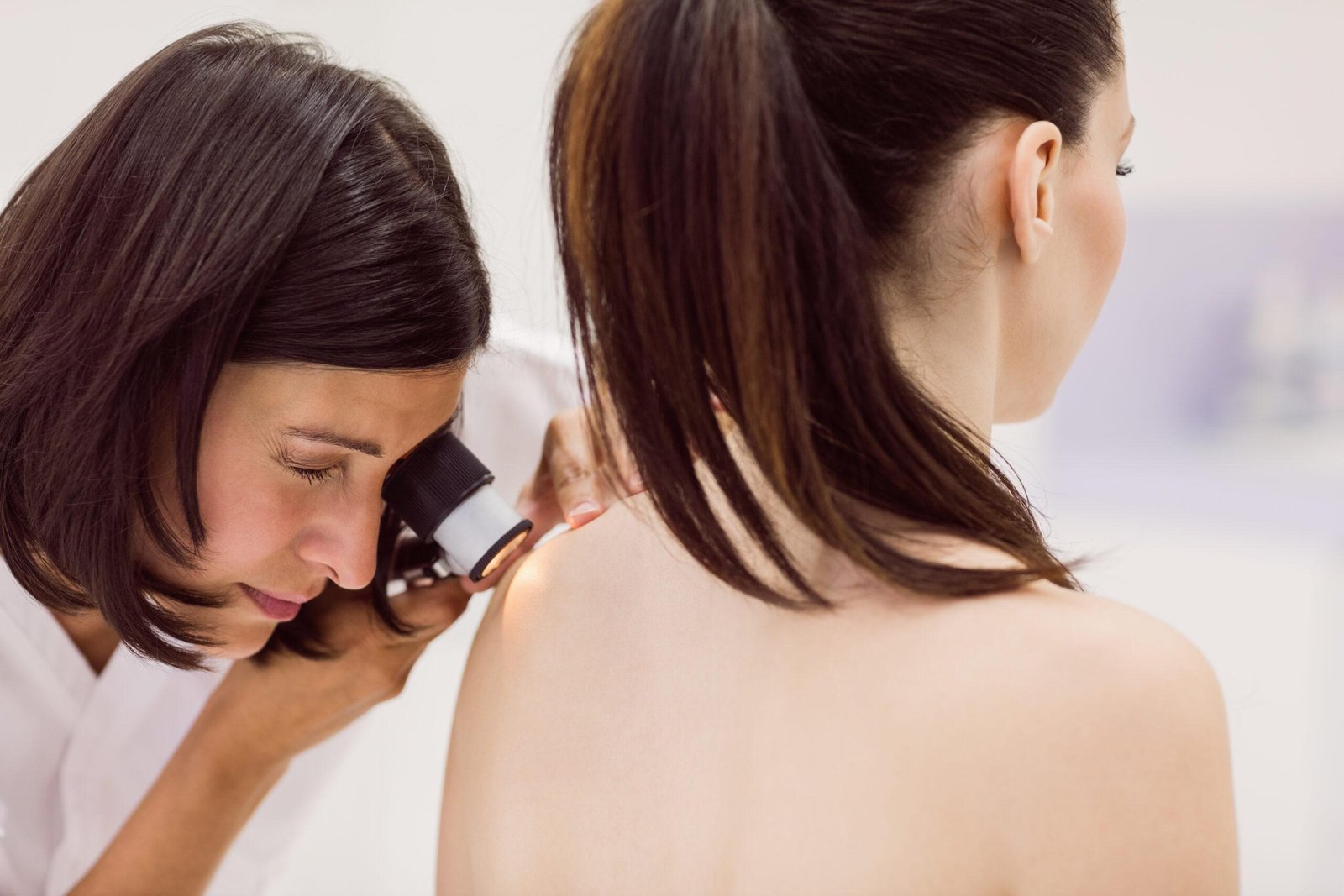
- Detailed history and skin exam
- Where the breakouts appear
- How long they last
- What you have already tried
- Any medications, supplements, or medical conditions
- Where the breakouts appear
- Trigger review
- Workout routine and clothing
- Personal care products
- Stress, sleep, and possible hormonal patterns
- Workout routine and clothing
- Stepwise plan
- Building a realistic home routine first
- Adding prescription topicals or oral medication when needed
- Planning in-office treatments such as peels or laser if scars or stubborn lesions remain
- Building a realistic home routine first
Because the center has multiple locations and a full dermatology staff, follow-up care and adjustments can be scheduled around work and family demands, which matters for adults balancing many responsibilities.
Lifestyle Changes That Support Back Acne Treatment
No routine is perfect if daily habits constantly trigger new breakouts. Simple changes can help your medical treatment work harder for you:
- Shower after workouts or heavy sweating instead of waiting until evening.
- Choose non-comedogenic sunscreen and body lotions, especially in warmer months.
- Wash sheets and towels regularly so bacteria and oil do not build up.
- Keep long hair off your back when it is oily or full of product.
- Consider a lower-glycemic eating pattern if breakouts flare after high-sugar meals
None of these steps replaces dermatology care, but together they change the environment your skin lives in.
When to See Golla Center for Dermatology & Spa
If you are over 30 and dealing with any of the following, it is reasonable to stop guessing and get expert help:
- Back acne that has persisted longer than three to four months
- Painful nodules or cysts that leave marks behind
- Visible scars or dark patches where old lesions have healed
- Limited clothing choices because you want to hide your back
- No improvement despite consistent use of over-the-counter “bacne” products
Back acne treatment does not have to be a cycle of trial and error. At Golla Center for Dermatology & Spa, board-certified providers can identify the true drivers of your breakouts, design a medical and aesthetic plan, and help you work toward clear, comfortable skin on your back—not just for a season, but for the long term.