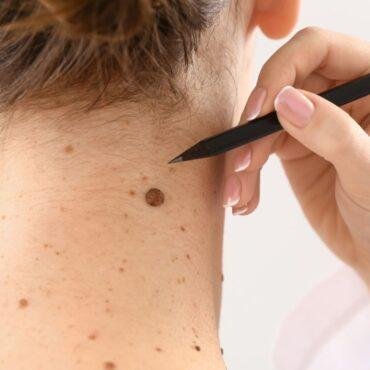
Skin tags (medical term: acrochordons) are harmless, common skin growths—often on the neck, eyelids, underarms, groin, and under the breasts. They’re easy to confuse with other lesions, which is why a dermatologist’s exam comes first. The right diagnosis guides the right treatment and helps you avoid unnecessary scarring or missed red flags.
What is a skin tag—and is it really a skin tag?
Pores are tiny openings that release oil and sweat. When excess oil mixes with dead skin and impurities like makeup residue, sunscreen, and pollution, it blocks the opening. Depending on whether the pore remains open or closed, you’ll see:
Blackheads (open comedones): the surface darkens when exposed to air (oxidation, not dirt).
Whiteheads (closed comedones): trapped beneath a thin layer of skin.
Tiny under-skin bumps (congestion): rough texture without a visible “head.”
Why see a dermatologist instead of trying DIY?
Here’s the thing: at-home “removers” aren’t just unreliable—they can be risky.
No FDA-approved OTC skin tag removers. The FDA has warned companies about marketing unapproved mole/skin tag products. Using them can delay proper diagnosis and cause injury.
Higher complication risk at home. Burns, scars, infection, bleeding, and damage to surrounding skin are more common with DIY kits and corrosive acids.
Misdiagnosis is the biggest risk. If a “tag” is actually a different lesion, home removal can mask warning signs and delay care. Dermatologists evaluate first, then treat.
In-office treatment options (we choose what fits your skin)
Our approach is precise, sterile, and tailored to location, stalk width, and skin type:
Snip/excision: Local anesthesia, sterile micro-scissors or blade, precise control at the base of the tag.
Electrodesiccation/cautery: Heat seals tiny vessels and smooths the base for a clean finish.
Cryotherapy (freezing): Targeted liquid nitrogen; useful for select areas, with expected short-term blistering or color change.
All methods are quick. Choice depends on location (especially eyelids), cosmetic priority, and your healing tendencies.
Area-specific guidance (face, eyelids, neck, body folds)
Eyelids: Extra caution near the eye. We use ophthalmic-safe shields and micro-tools; home methods can injure the eye and are not advised.
Neck/underarms/groin: These friction zones heal well with clean technique; minimizing rubbing helps preserve results. (General derm best practice.)
Skin of color: We adjust settings and method to reduce risks of post-inflammatory hyperpigmentation or keloid formation. (Dermatology standard of care; method selection guided by device and lesion.)
Who’s a good candidate—and who should wait
Most healthy adults with clearly diagnosed skin tags are good candidates. We’ll review medications (especially anticoagulants), history of keloids, active rashes/infections, and pregnancy status. Elective cosmetic procedures can be timed around those factors for best healing and cosmetic outcome.
What to expect at your visit
Evaluation: We confirm the diagnosis and rule out look-alikes.
Treatment plan: We recommend the method that best fits your skin, location, and cosmetic goals.
Same-day removal (often): Most tags are removed in minutes under local anesthesia.
Simple care instructions: You’ll leave with clear guidance to keep the area clean and protected—no guesswork.
Prevention tips that actually help
You can’t stop all tags, but you can reduce triggers: limit friction (necklaces, tight collars), choose softer fabrics in high-rub areas, use gentle shaving techniques, and maintain steady weight when possible. If new growths appear or change in any way, schedule a quick check.
Book a same-day or next-available appointment. We serve patients across Pittsburgh and nearby communities—Oakland, Shadyside, Squirrel Hill, North Hills, and beyond. Call or request an appointment online. Bring your medication list and note any history of keloids or eye procedures (for eyelid tags).